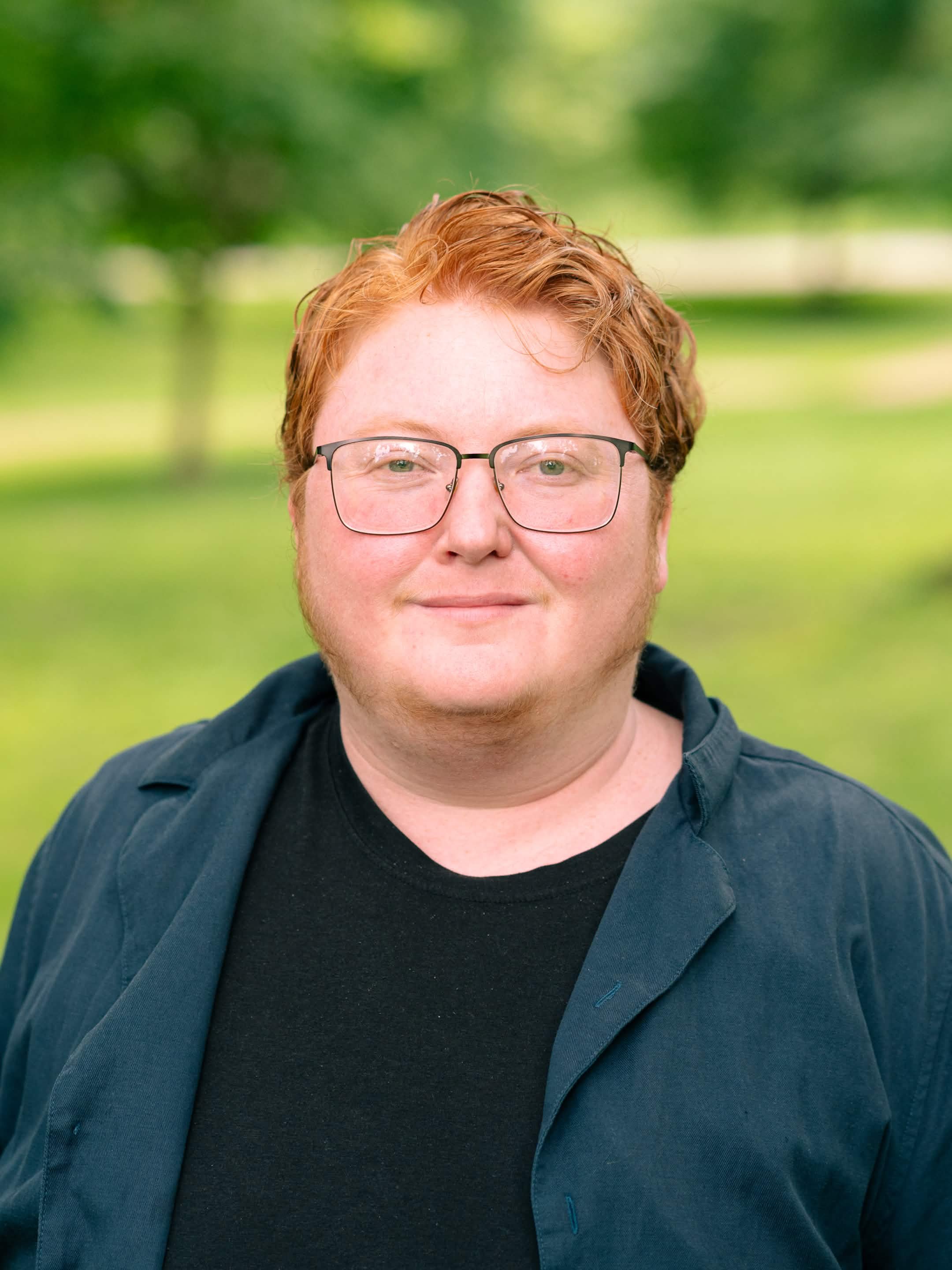
Hey, I’m Rhett.
Whether you're a current client, considering therapy, supporting a loved one, or looking for resources, I hope you'll find helpful information here.

I know how difficult it can be to look for a therapist.
For years, I've sat on the other side of this process myself, scrolling through websites and reading biographies, trying to figure out whether there was a real person behind the professional language. Trying to answer questions that felt much bigger than credentials:
Can this person help me?
Will this person understand me?
Will this person hurt me?
I believe therapy is hard. It is difficult to tell another person about the things you keep private. It can be even harder if you grew up in an environment where your thoughts, feelings, needs, or vulnerabilities were used against you. Because of that, I don't believe trust should be automatic. I don't think you should trust me simply because I am a therapist.
Trust is something we build together over time.
You don't have to tell me everything at once. You don't have to convince me that your experiences are real. You don't have to organize your entire story before showing up. We can move at a pace that feels manageable, and we can figure things out together.
Since you're probably trying to decide whether I might be a good fit, I'd like to tell you what I'm most proud of as a therapist.
I'm proud that I don't get intimidated by complexity.
Many of the people I work with have long histories, multiple diagnoses, conflicting feelings, or experiences that don't fit neatly into existing categories. Rather than reducing those experiences to a label, I enjoy helping people make sense of how the different pieces fit together. I believe people when they tell me what they're experiencing. If I don't understand something, I read, research, consult, and keep asking questions until I do.
I'm also proud of my ability to create a space where shame doesn't have to run the conversation.
People often come into therapy carrying thoughts and feelings they've never shared with anyone. Sometimes they're contradictory. Sometimes they're frightening. Sometimes they're socially unacceptable. Sometimes they don't match the version of themselves they want to believe in. I don't think those experiences make someone bad or broken. I think they deserve curiosity, understanding, and room to breathe.
I care deeply about research and evidence-based practice. I use approaches such as EMDR, Prolonged Exposure Therapy, psychodynamic therapy, and play therapy. I regularly seek additional training because I want my clients to benefit from the best information available.
At the same time, I don't believe therapy is just a collection of techniques.
Some of the most important conversations I have with clients are about grief, meaning, identity, relationships, loneliness, mortality, and what it means to be human. Sometimes therapy is about reducing symptoms. Sometimes it's about making sense of your life. Often it's both.
At the heart of my work is a simple belief: the things you're struggling with probably make more sense than you think. Together, we can try to understand why.